Time to Eat the Dogs
A Podcast About Science, History, and ExplorationEpisode 38: The Egyptologist
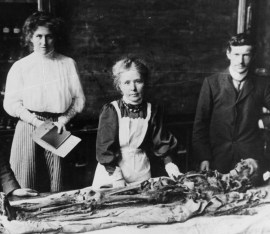
Margaret Murray unwraps an Egyptian mummy in 1908
After Napoleon occupied Egypt, Europeans became obsessed with the ancient cultures of the Nile. In Britain, the center of Egyptology research was University College London (UCL). At the heart of the UCL program was the Egyptologist, Margaret Alice Murray. During this golden age of Egyptian Archaeology, Murray was training students, running the department, and publishing dozens of books. So why haven’t we heard of her?
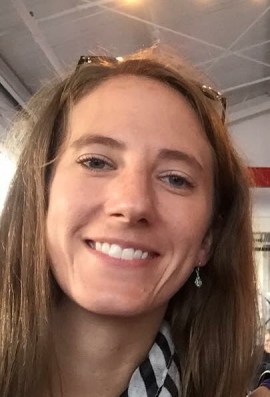
Kate Sheppard
Historian Kate Sheppard discusses the life and work of Murray. Sheppard is an associate professor of history at Missouri University of Science and Technology. She is the author of The Life of Margaret Alice Murray: A Woman’s Work in Archaeology.
Episode 37: The Rise of the Megafire
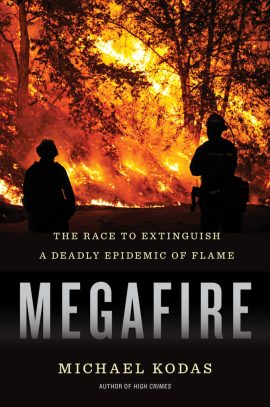
In the 1980s, fires burned an average of two million acres per year. Today the average is eight million acres and growing. Scientists believe that we could see years with twenty million acres burned, an area larger than country of Ireland. Today I rebroadcast my interview with Michael Kodas who talks about the phenomenon of megafires, forest fires that burn over 100,000 acres, and why the number of these fires is increasing every year.
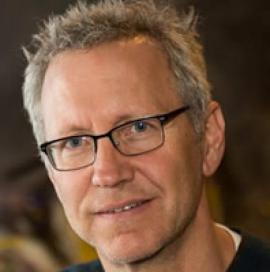
Kodas is the deputy director of the Center for Environmental Journalism at the University of Colorado-Boulder. He is also an award winning photojournalist and reporter. His book Megafire: The Race to Extinguish a Deadly Epidemic of Flame recently won the Colorado Book Award.
Listen (below) or on iTunes
Episode 36: The Ebola Outbreak of 2013
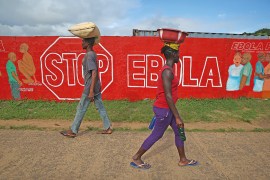
Why did Ebola, a virus so deadly that it killed or immobilized its victims within days, have time to become a full-blown epidemic? That’s what happened in 2013 in when the virus, already well-known to virologists and epidemiologists, broke out in West Africa, infecting twenty-eight thousand people and killing eleven thousand.
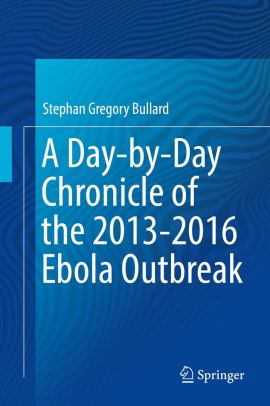
Stephan Bullard, associate professor of biology at the University of Hartford, discusses the 2013 outbreak which is the subject of his new book, A Day to Day Chronicle of the 2013-16 Ebola Outbreak, now out with Springer Press. (Rebroadcast).
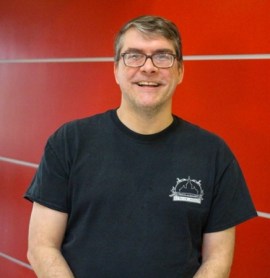
Stephan Bullard
Episode 35: The Mars Rover Curiosity
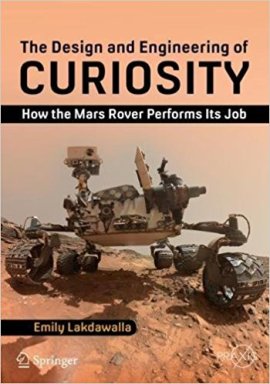
Emily Lakdawalla talks about the design and construction of Curiosity, formally known as the Mars Science Laboratory, one of the most sophisticated machines ever built. Curiosity landed on Mars in 2012 where it has been conducting research within the ancient Gale Crater.
Lakdawalla is a senior editor at the Planetary Society where she writes and blogs about planetary exploration. She is a frequent guest on Planetary Radio. She is also the author of The Design and Engineering of Curiosity: How the Mars Rover Performs Its Job.

Emily Lakdawalla
Links:
Lakdawalla’s Curiosity Goodreads Page
Lakdawalla’s Planetary Society Blog
NASA’s Mars Scientific Laboratory Website
Episode 34: Psychology in Extreme Environments
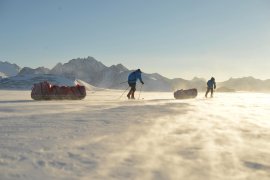
Ben Saunders and Tarka L’Herpiniere haul sledges towards the South Pole in 2013
Nathan Smith talks about the psychology of exploration, specifically the psychology of performance in extreme environments. Smith worked closely with polar explorer Ben Saunders as he attempted to ski to the South Pole and back unassisted in 2013: a recreation of Robert Falcon Scott’s tragic 1911 Terra Nova Expedition in which Scott and his party died on their return journey across the Ross Ice Shelf. Smith helped establish the research module on Extreme Medicine at the University of Exeter and worked as a senior research scientist within the United Kingdom Ministry of Defense. He is also a Fellow of the Royal Geographical Society.
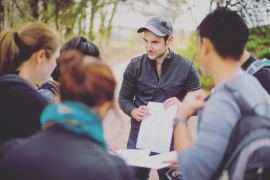
Nathan Smith
Links
The Expedition Psychology Project (includes Smith bibliography)


 Time to Eat the Dogs