Time to Eat the Dogs
A Podcast About Science, History, and ExplorationEpisode 52: The Making of 2001: A Space Odyssey
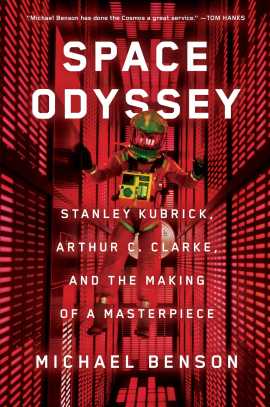
Michael Benson talks about the making of 2001, a movie inspired by the collaboration of American director Stanley Kubrick and British futurist Arthur C Clark. Benson is a writer, artist, and film maker. He is the author of Space Odyssey: Stanley Kubrick, Arthur C Clark and The Making of a Masterpiece.
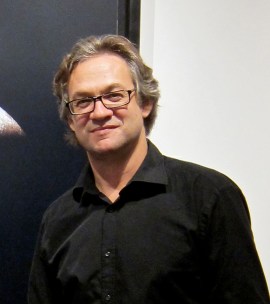
Michael Benson
Episode 51: Science and Exploration in the U.S. Navy
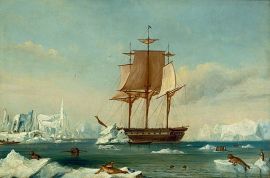
USS Vincennes in Disappointment Bay, Antarctica
Jason Smith discusses the US Navy’s role in exploring and charting the ocean world. Smith is an assistant professor of history at Southern Connecticut State University. He’s the author of To Master the Boundless Sea: The US Navy, the Marine Environment, and the Cartography of Empire.

Jason Smith
Episode 50: After the Map
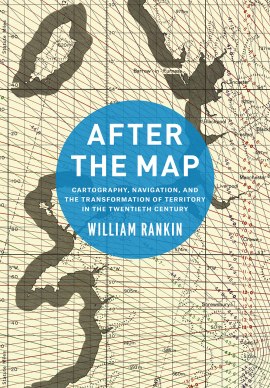
Bill Rankin talks about the changes brought about by GPS and other mapping technologies in the twentieth century. Rankin an associate professor of the history of science at Yale University. He is the author of After the Map: Cartography, Navigation, and the Transformation of Territory in the Twentieth Century. He also creates thematic maps at the website Radical Cartography.

Bill Rankin
Episode 49: Living on the International Space Station
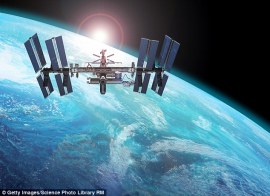
International Space Station
Astronaut Garrett Reisman talks about life aboard the International Space Station (ISS). Reisman flew on two shuttle missions to ISS where he conducted three 7-hour spacewalks. In 2011, he joined SpaceX as Director of Space Operations. This year he joined the engineering faculty of University of Southern California where he teaches courses on human spaceflight.

Garrett Reisman
Episode 48: One Long Night

Andrea Pitzer talks about her book One Long Night: A Global History of Concentration Camps, one of Smithsonian Magazine’s Ten Best History Books for 2017. While concentration camps may not seem to have much to do with travel and exploration, travel and forced detention are joined in strange and important ways.
Pitzer’s work has been featured in the Washington Post, USA Today, Slate, and Lapham’s Quarterly. To research the book, Pitzer traveled to a dozen countries on four different continents. She talks about history, travel, and offers a preview of her new book project on the Arctic.



 Time to Eat the Dogs