Time to Eat the Dogs
A Podcast About Science, History, and ExplorationAfter Leichhardt Went Missing
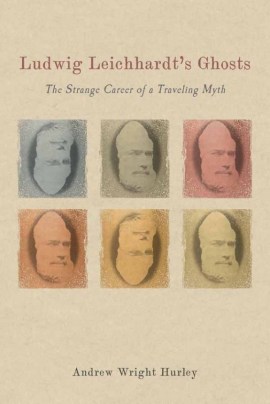
Andrew Wright Hurley talks about the life and afterlife of the Prussian explorer Ludwig Leichhardt, a man whose reputation has shifted to reflect the changing cultures of Australia and Germany over the past 160 years. Hurley is an associate professor in the Faculty of Arts and Social Sciences at the University of Technology, Sydney. He’s the author of Ludwig Leichhardt’s Ghosts: The Strange Career of a Traveling Myth.
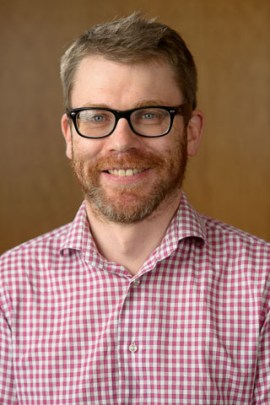
Andrew Wright Hurley
Replay: Descartes, Traveler
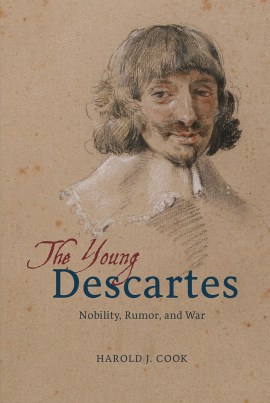
Hal Cook talks about the travels and trials of the young Descartes, a man who spent as much time traveling and fighting as he did studying philosophy. Cook is John F. Nickoll Professor of History at Brown University. He is the author of The Young Descartes: Nobility, Rumor, and War out this year with University of Chicago Press.
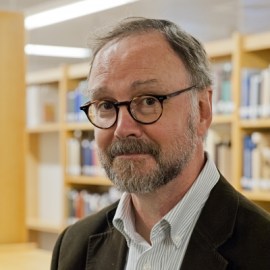
Harold Cook
African American Women and Jamaican Travel
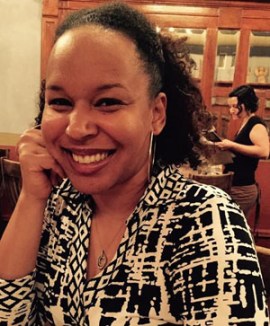
Bianca C. Williams
Annette Joseph Gabrielle hosts Time to Eat the Dogs. She talks with Bianca C. Williams about African American women who travel to Jamaica as tourists looking for happiness, intimacy, and new identities free from the limits of American racism.
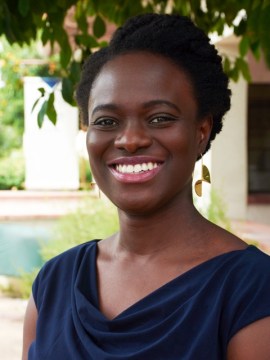
Annette Joseph-Gabriel
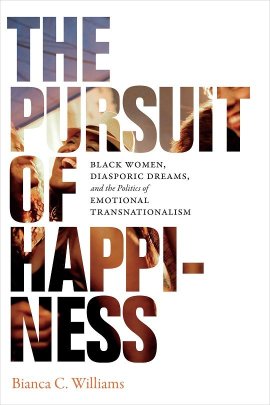
Joseph-Gabriel is an assistant professor of French at the University of Minnesota, College of Literature, Science and the Arts. Williams is an associate professor of Anthropology at The Graduate Center, City University of New York. She is the author of The Pursuit of Happiness: Black Women, Diasporic Dreams, and the Politics of Transnationalism.
Replay: The Revolution in Paleoanthropology
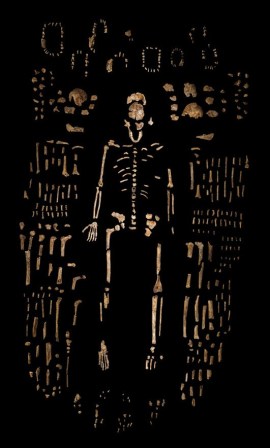
Homo Naledi
John Hawks talks about new developments in paleoanthropology – the discovery of a new hominid species Homo Naledi in South Africa, the Neanderthal ancestry of many human populations, and the challenge of rethinking anthropological science’s relationship with indigenous peoples and the general public. Hawks is the Vilas-Borghesi Achievement Professor of Anthropology at the University of Wisconsin-Madison. He is the co-author of Almost Human: The Astonishing Tale of Homo naledi and the Discovery That Changed Our Human Story
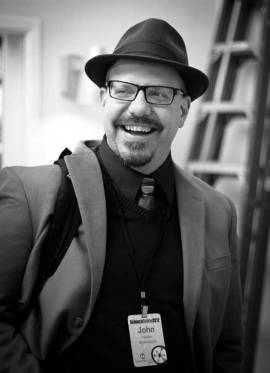
John Hawks, (photo credit Russ Creech)
Links:
John Hawks blog
Almost Human: The Astonishing Tale of Homo naledi and the Discovery that Changed the Human Story
Vast Expanses: A History of the Oceans
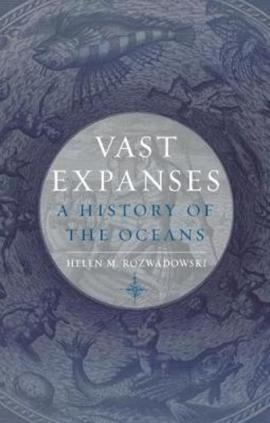
Helen Rozwadowski talks about the history of the oceans and how these oceans have shaped human history in profound ways. Rozwadowski is a professor of history at the University of Connecticut Avery Point. She is the author of many books including Vast Expanses: A History of the Oceans (Reaktion Books, 2018).
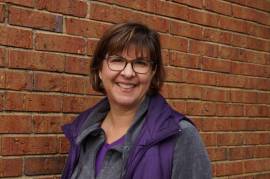
Helen Rozwadowski


 Time to Eat the Dogs