Time to Eat the Dogs
A Podcast About Science, History, and ExplorationReplay: Science and Exploration in the U.S. Navy
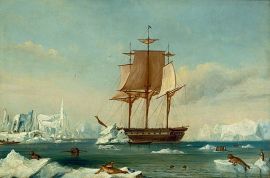
USS Vincennes in Disappointment Bay, Antarctica
Jason Smith discusses the US Navy’s role in exploring and charting the ocean world. Smith is an assistant professor of history at Southern Connecticut State University. He’s the author of To Master the Boundless Sea: The US Navy, the Marine Environment, and the Cartography of Empire.
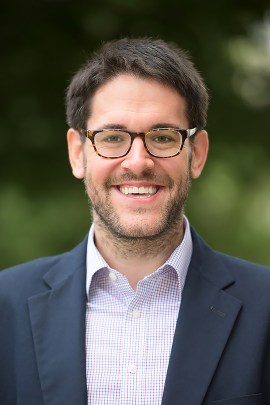
Jason Smith
Destined for the Stars
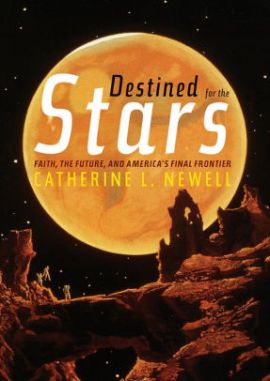
Catherine Newell talks about the religious roots of the final frontier, focusing on the collaboration of artist Chesley Bonestell, science writer Willy Ley, and the NASA rocket engineer Wernher von Braun. Newell is an assistant professor of religion and science at the University of Miami. She’s the author of Destined for the Stars: Faith, the Future, and America’s Final Frontier.
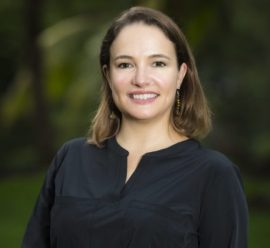
Catherine Newell
Replay: After the Map
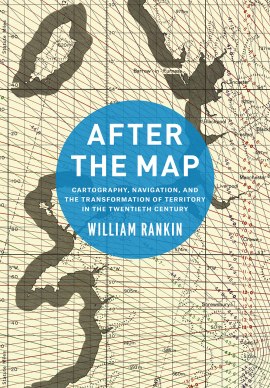
Bill Rankin talks about the changes brought about by GPS and other mapping technologies in the twentieth century. Rankin an associate professor of the history of science at Yale University. He is the author of After the Map: Cartography, Navigation, and the Transformation of Territory in the Twentieth Century. He also creates thematic maps at the website Radical Cartography.

Bill Rankin
Starvation Shore

Laura Waterman talks about her novel, Starvation Shore, which relies upon memoirs, letters, and diaries to reconstruct the life of the Greely Party as it attempted to survive impossible conditions. Waterman is a climber, conservationist, and author who has written many books with her husband Guy Waterman about mountain history, climbing and environmental ethics. Her memoir Losing the Garden tells the story of her marriage to Guy and his decision in 2000 to end his life on the summit of Mt Lafayette.
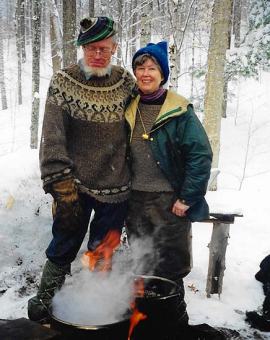
Guy Waterman and Laura Waterman
Replay: One Long Night

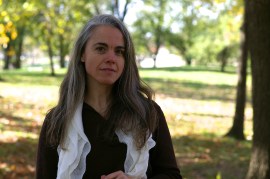
Andrea Pitzer talks about her book One Long Night: A Global History of Concentration Camps, one of Smithsonian Magazine’s Ten Best History Books for 2017. While concentration camps may not seem to have much to do with travel and exploration, travel and forced detention are joined in strange and important ways.
Pitzer’s work has been featured in the Washington Post, USA Today, Slate, and Lapham’s Quarterly. To research the book, Pitzer traveled to a dozen countries on four different continents. She talks about history, travel, and offers a preview of her new book project on the Arctic.


 Time to Eat the Dogs