Time to Eat the Dogs
A Podcast About Science, History, and ExplorationChina is Going to the Moon

Chinese astronaut and figher pilot Liu Yang
Dr. Namrata Goswami talks about the Chinese space program and its ambitious plans for lunar exploration. Goswami is a strategic analyst on space and great power politics. She’s the author of many books and articles including Great Powers and Resource Nationalism in Space soon to be published Lexington Press.

Dr. Namrata Goswami
Replay: Chasing the Moon
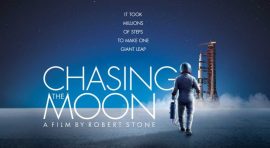
Director Robert Stone talks about his film Chasing the Moon, a three part documentary which aired on PBS’s American Experience for the fiftieth anniversary of the Apollo 11 mission. Stone talked to me in front of live audience at Bard College after he showed some clips from the film. Thanks to Paul LaBarbera and Cariahbel Azemar of Bard AV Services who recorded the audio for this episode. And thanks too to Paul Cadden-Zimansky, director of the Physics Program, who organized the event and introduced both of us to the audience.

Robert Stone
Malaria, Tonic Water, and Empire
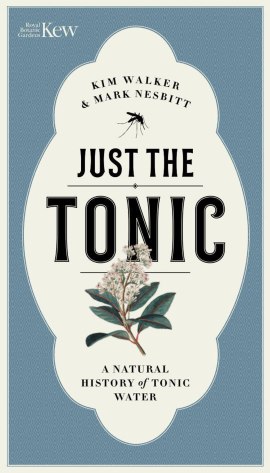
Kim Walker talks about the history and science of cinchona bark as a tonic, medicine, and mixer. Walker is a biocultural historian completing her PhD work on the Cinchona Bark Collection at Kew Gardens. She’s the co-author (along with Mark Nesbitt) of Just The Tonic: A Natural History of Tonic Water.
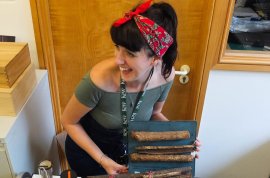
Kim Walker
Replay: How We Talk about Apollo
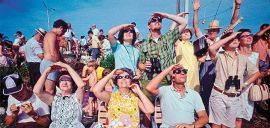
Crowds watching the launch of Apollo 11
Amy Shira Teitel talks about Apollo and the community of people who are deeply attached to space history. Teitel is a spaceflight historian and the creator of the YouTube Channel, Vintage Space. She is also the author of Breaking the Chains of Gravity: The Story of Spaceflight Before NASA and Apollo Pilot: The Memory of Astronaut Don Eisele.

Amy Shira Teitel
Hawaiian Exploration of the World
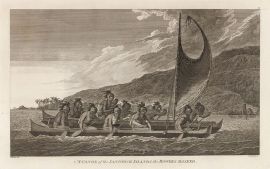
David Chang talks about the history of indigenous Hawaiians (Kanaka Maoli) as explorers and geographers of the world. Chang is a professor of history at the University of Minnesota. He’s the author of The World and All the Things upon It: Native Hawaiian Geographies of Exploration.

David Chang


 Time to Eat the Dogs