Time to Eat the Dogs
A Podcast About Science, History, and ExplorationHow to be an African Travel Writer in Africa
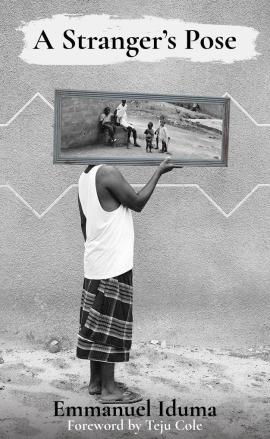
Emmanuel Iduma talks about his experiences traveling through Africa and his quest to find a new language of travel. Iduma is a writer and lecturer at the School of Visual Arts in New York. His stories and essays have been published in Best American Travel Writing 2020 and the New York Review of Books. He is the author of the essay “How to be a Travel Writer in Africa?” and the memoir A Stranger’s Pose, which was a finalist for the Ondaatje Prize in 2019.

Emmanuel Iduma
Replay: The Mystery of Altitude Sickness
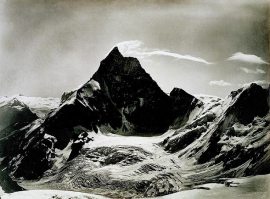
Lachlan Fleetwood talks about debates about altitude sickness in the Himalaya and the ways these debates became tied up with ideas about the physiology of Europeans and Himalayans. Fleetwood is the author of “Bodies in High Places: Exploration, Altitude Sickness and the Problem of Bodily Comparison in the Himalaya, 1800-50,” published in the journal Itinerario 43, no. 3 (2019): 489-515.
Lachlan Fleetwood
Empires of the Sky
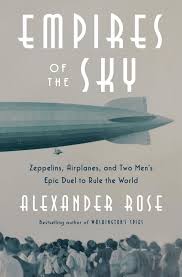
Alexander Rose talks about the history of airplanes and airships at the turn of the century, a time when the direction of aviation remained unclear. Rose is the author of Empires of the Sky: Zeppelins, Airplanes, and Two Men’s Epic Duel to Rule the World.
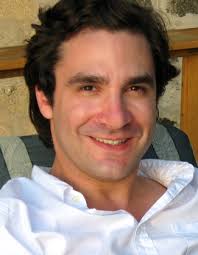
Alexander Rose
Replay: Love, Travel, and Separation
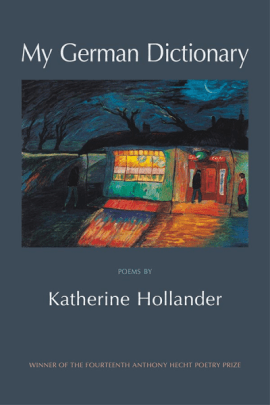
Kate Hollander talks about Bertolt Brecht’s life and work. She also talks about the community of artists who were his friends, lovers, and collaborators. Hollander is a historian of modern Europe. She’s also the author of a book of poems, My German Dictionary, which was awarded the Anthony Hecht Poetry Prize by USA Poet Laureate Charles Wright.

Kate Hollander
Why Did Scientists Collect the Blood of Indigenous Peoples?
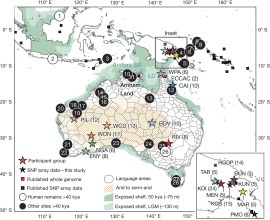
Genomic History of Aboriginal Australia (Nature)
Emma Kowal talks about the history of biospecimen collection among the aboriginal peoples of Australia. Kowal is a cultural and medical anthropologist at Deakin University. She’s the co-author, along with Joanna Radin, of “Indigenous Biospecimen Collections and the Cryopolitics of Frozen Life,” published in the Journal of Sociology.
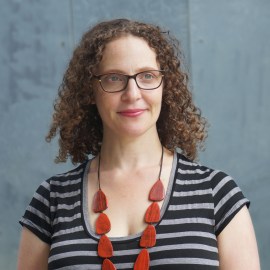
Emma Kowal


 Time to Eat the Dogs